
Introduction
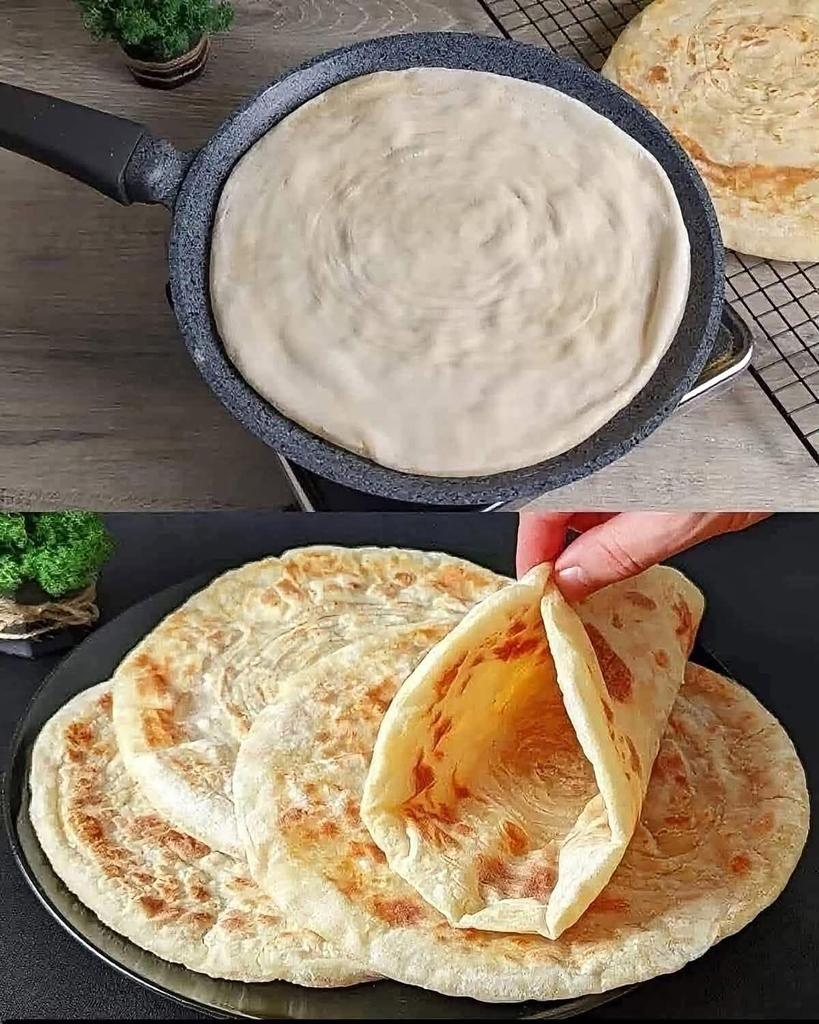
Enjoy the perfect combination of crispy golden layers on the outside and a soft, tender center with this homemade high-protein, low-carb layered flatbread. Made without yeast or traditional flour, this easy recipe offers a comforting bread-like texture while keeping carbohydrates lower and protein higher.
Whether you’re following a low-carb lifestyle, looking for keto-friendly meal ideas, or simply want a nutritious homemade alternative to regular bread, this flatbread is a delicious option. It’s simple to prepare, uses everyday ingredients, and pairs beautifully with savory fillings, dips, eggs, and grilled vegetables.
Can This High-Protein Flatbread Support Weight Loss Goals?
Yes, this flatbread can fit into a balanced eating plan designed to support weight management. Its protein-rich ingredients help make meals more satisfying and can contribute to maintaining muscle when combined with an appropriate overall diet.
Unlike traditional flour-based flatbreads, this recipe uses almond flour and Greek yogurt to provide a combination of protein, healthy fats, and fewer carbohydrates.
Its satisfying texture may also help you enjoy a bread-like meal without relying on larger portions of conventional bread. However, portion size and total daily calorie intake still matter because almond flour contains calorie-dense fats.
Does This Recipe Fit a High-Protein Lifestyle?
Yes! This homemade flatbread combines Greek yogurt, eggs, and almond flour for a protein-supportive alternative to traditional bread. It contains approximately 4–5g net carbohydrates per serving, depending on ingredient brands and serving size. Greek yogurt and eggs provide high-quality protein, while almond flour contributes healthy fats and additional nutrients. It is suitable for many low-carb and high-protein eating plans, although it is not a zero-carb food.
Why This Recipe Is Special
- High-protein ingredients: Greek yogurt and eggs provide protein in every serving.
- Low-carb alternative: Almond flour replaces traditional wheat flour.
- No yeast required: No proofing or waiting for dough to rise.
- Crispy and soft texture: Golden layers surround a tender, flexible center.
- Quick and comforting: Perfect for homemade bread cravings without complicated preparation.
My Personal Experience
– The crispy outside is my favorite part. Cooking the flatbread over medium-low heat creates a beautiful golden crust while keeping the inside soft and tender.
– I love how easy the dough is to prepare. There is no yeast activation or lengthy rising time, making this recipe convenient when I want homemade bread quickly.
– The layers make every bite special. A light brushing of olive oil between folds helps create a delicious layered texture without traditional flour.
– It pairs beautifully with savory meals. I enjoy serving it with scrambled eggs, grilled chicken, fresh cucumber, or a creamy yogurt dip.
– It makes low-carb meals more enjoyable. The familiar bread-like texture makes it easier to enjoy satisfying meals while keeping carbohydrates in mind.
Perfect For
- Busy weeknights: Prepare a fresh batch without waiting for yeast dough to rise.
- Meal prep: Make several portions ahead and reheat them when needed.
- Breakfast: Serve with scrambled eggs, cottage cheese, or avocado.
- Lunch and dinner: Use as a side for grilled chicken, vegetables, or soups.
- Healthy snacks: Enjoy with Greek yogurt dip or homemade garlic sauce.
- Low-carb and keto-inspired meal plans: A flour-free alternative to conventional flatbread.
- Comfort food cravings: Enjoy a warm, crispy flatbread without traditional wheat flour.
Why You’ll Love This Recipe
– No flour, no yeast, no complicated preparation. This recipe skips traditional wheat flour and yeast, making preparation quick and straightforward.
– A satisfying crispy and soft combination. The outside develops a golden crust while the inside stays tender, making every bite enjoyable.
– Protein-supportive ingredients. Eggs and Greek yogurt contribute protein, making this flatbread a useful addition to balanced meals.
– Easy to customize. Add garlic, herbs, black pepper, or chili flakes to create different flavors without changing the basic recipe.
– Perfect for different meals. Enjoy it at breakfast, lunch, or dinner with your favorite protein-rich toppings.
Common Mistakes to Avoid
- Using watery Greek yogurt: Excess moisture can make the dough sticky and difficult to shape; use thick, strained Greek yogurt.
- Adding too much almond flour: Too much flour can make the flatbread dry, dense, and crumbly; measure carefully.
- Cooking over high heat: High heat can burn the outside before the center cooks; use medium-low heat.
- Skipping the resting time: Allowing the dough to rest briefly helps the ingredients come together and makes shaping easier.
Required Equipment
- Mixing bowl — Combines the yogurt, eggs, and dry ingredients evenly.
- Measuring cups and spoons — Help maintain consistent dough texture and portion sizes.
- Whisk or fork — Makes it easier to mix wet ingredients smoothly.
- Rolling pin — Helps shape the dough into thin, even layers.
- Parchment paper — Prevents sticky dough from clinging during rolling.
- Non-stick frying pan — Helps achieve golden browning without excessive oil.
- Silicone spatula — Makes folding, mixing, and flipping easier.
Storage Instructions
Refrigerator:
- Allow the flatbread to cool completely before storing.
- Place it in an airtight container with parchment paper between individual pieces.
- Refrigerate for up to 3–4 days.
- Keep it properly sealed to maintain its texture and freshness.
Freezer:
- Cool each flatbread completely.
- Separate individual portions using parchment paper.
- Store in a freezer-safe airtight container or zip-lock freezer bag.
- Freeze for up to 2 months for the best quality.
Reheating:
Reheat refrigerated or thawed flatbread in a non-stick pan over low heat for approximately 1–2 minutes per side. Avoid overheating, as it can dry out the yogurt and egg-based interior.
Proper storage helps preserve the texture and protein-containing ingredients without needing to add extra ingredients during reheating.
Recipe Details
| Detail | Information |
|---|---|
| Preparation Time | 10 minutes |
| Cooking Time | 12–15 minutes |
| Total Time | 25 minutes |
| Servings | 4 |
| Best Season | All-season |
| Calories Per Serving | Approximately 190 kcal |
Short Recipe Description
This homemade high-protein, low-carb flatbread is crispy on the outside and wonderfully soft inside. Made with almond flour, Greek yogurt, and eggs, it requires no yeast or traditional flour. A quick, delicious, and satisfying alternative to regular bread for low-carb meals.
📝 Ingredients
Makes 4 servings · 1 small flatbread per serving
| Ingredient | Quantity |
|---|---|
| Finely ground almond flour | 1 cup (100g) |
| Plain Greek yogurt, unsweetened | ½ cup (120g) |
| Large egg | 1 |
| Baking powder | 1 teaspoon |
| Salt | ¼ teaspoon |
| Garlic powder | ½ teaspoon |
| Olive oil | 1 tablespoon |
| Dried oregano | ½ teaspoon |
| Psyllium husk powder | 1 tablespoon |
| Olive oil for brushing | 1 teaspoon |
Ingredient Notes:
- Use thick, unsweetened Greek yogurt rather than regular runny yogurt.
- Choose finely ground blanched almond flour for a softer texture.
- Psyllium husk powder helps bind the dough and improves flexibility.
- Baking powder provides a little lift without requiring yeast.
- The additional olive oil is used for brushing between layers.
Directions
Step 1: Prepare the wet ingredients
In a medium mixing bowl, add the Greek yogurt and egg.
Whisk for approximately 30–45 seconds until smooth and evenly combined.
Texture cue: The mixture should look creamy without visible egg streaks.
Step 2: Combine the dry ingredients
In another bowl, combine almond flour, baking powder, salt, garlic powder, oregano, and psyllium husk powder.
Mix thoroughly to distribute the ingredients evenly.
Step 3: Make the dough
Gradually add the dry mixture to the yogurt and egg mixture.
Stir with a spatula until a soft dough forms. Add the olive oil and gently knead for 1–2 minutes.
High-protein tip: Avoid adding unnecessary extra flour, as this can make the flatbread dry and dense.
Step 4: Rest the dough
Cover the dough and allow it to rest for 5 minutes.
This gives the psyllium husk time to absorb moisture and helps the dough become easier to handle.
Texture cue: The dough should feel soft, slightly moist, and pliable rather than runny.
Step 5: Divide and roll
Divide the dough into four equal portions.
Place each portion between two sheets of parchment paper and roll into a thin round, approximately 5–6 inches wide.
Keep the thickness reasonably even for consistent cooking.
Step 6: Create the layers
Lightly brush the surface of each rolled portion with olive oil.
Fold the dough into a layered shape, then gently roll again to create a compact flatbread.
Do not press too firmly, as this can make the finished layers dense.
Step 7: Cook the flatbread
Heat a non-stick frying pan over medium-low heat.
Place one flatbread into the dry pan and cook for approximately 2–3 minutes on the first side.
Flip carefully and cook for another 2–3 minutes.
Visual cues: Look for golden-brown patches, a lightly crisp exterior, and a cooked center.
Repeat with the remaining portions.
Step 8: Rest and serve
Transfer the cooked flatbreads to a plate and allow them to rest for 2 minutes.
Serve warm with grilled chicken, eggs, cottage cheese, or your favorite low-carb dip.
Final texture: The outside should be lightly crispy, while the center remains soft and tender.
Nutrition Facts (Per Serving – Approximate)
Based on 4 servings and the ingredients listed above. Actual values vary by ingredient brand and portion size.
| Nutrient | Amount |
|---|---|
| Calories | 190 kcal |
| Total Fat | 14g |
| Cholesterol | 55mg |
| Sodium | 310mg |
| Potassium | 125mg |
| Total Carbohydrates | 8g |
| Fiber | 4g |
| Net Carbs | 4g |
| Sugars | 2g |
| Protein | 9g |
| Calcium | 85mg |
Net carbs are calculated by subtracting dietary fiber from total carbohydrates.
Notes
- Storage: Refrigerate cooled flatbreads in an airtight container for 3–4 days or freeze for up to 2 months.
- Reheating: Warm in a non-stick skillet over low heat for 1–2 minutes per side to restore the crispy exterior.
- Allergy information: Contains almonds, dairy, and eggs; avoid this recipe if you have an allergy to any of these ingredients.
- Flavor boost: Add smoked paprika, chili flakes, fresh parsley, or extra garlic powder for a stronger savory flavor.
- Softer texture: Use thick Greek yogurt and avoid adding too much almond flour.
- Crispier texture: Roll the flatbread slightly thinner and cook it gently until golden.
- Protein boost: Serve with grilled chicken, cottage cheese, or an additional Greek yogurt dip.
Frequently Asked Questions
1. Can I make this flatbread without yeast?
Yes, this recipe is completely yeast-free and uses baking powder for a little lift.
2. Is this flatbread suitable for a keto diet?
It can fit into some keto meal plans because almond flour replaces traditional wheat flour, but always consider your individual daily carbohydrate allowance.
3. Why is my flatbread breaking apart?
The dough may be too dry, so use thick Greek yogurt and allow the psyllium husk to absorb moisture before rolling.
4. Can I make this recipe ahead of time?
Yes, you can prepare the dough shortly before cooking or cook the flatbreads in advance and refrigerate them for up to 3–4 days.
5. Can I replace almond flour with coconut flour?
Not in equal quantities, because coconut flour absorbs significantly more moisture and requires a different ingredient ratio.
6. How can I make this flatbread even higher in protein?
Serve it with grilled chicken, cottage cheese, or a high-protein Greek yogurt dip to increase the protein content of the overall meal.
Related Posts

High-Protein Low-Carb Lemonade for Weight Loss
Introduction Refreshing, tangy, and wonderfully light, this High-Protein Low-Carb Lemonade…

High-Protein & Low-Carb Southern 4-Ingredient Cheese Straws
Introduction If you love crunchy, cheesy Southern snacks, these High-Protein…

Keto Wendy’s Chili – Easy, Hearty, Low-Carb & High-Protein Copycat Recipe
Introduction Craving the rich, hearty flavor of Wendy's famous chili…